Best product to get rid of mold in the shower
Shower mold is a persistent problem
in many homes, but it's especially common in humid climates like Seattle, where high moisture levels from frequent rain and indoor steamy showers create ideal conditions for black mold, pink mildew, and other fungi to thrive on tiles, grout, caulk, shower curtains, and even fiberglass surrounds. That stubborn growth isn't just unsightly—it can contribute to musty odors, poor indoor air quality, and potential health irritations for sensitive individuals. The good news is that with the right products and habits, you can effectively eliminate existing mold and prevent it from returning.
Recent 2025-2026 reviews from trusted sources like Good Housekeeping, The Spruce, Real Simple, Bob Vila, and consumer tests highlight several standout options. These range from powerful bleach-based killers for tough cases to gentler, bleach-free alternatives and preventive sprays. Here's an expanded, in-depth guide to the best products for getting rid of shower mold, based on lab tests, expert evaluations, and real-user experiences.
Top Overall Recommendation: Clorox Plus Tilex Mold and Mildew Remover
For most people dealing with common shower mold—especially black spots on grout and tiles—Clorox Plus Tilex Mold and Mildew Remover remains the go-to choice in many 2025-2026 rankings. This bleach-based spray consistently ranks as the best for bathrooms in tests from Good Housekeeping, The Spruce, Real Simple, and NBC Select. It kills 99.9% of mold and mildew spores on contact (along with bacteria), whitens stained grout dramatically, and removes built-up stains often with minimal or no scrubbing. Users report visible results in as little as 5-15 minutes, making it ideal for quick cleanups on non-porous surfaces like glazed ceramic tiles, tubs, and shower doors.
Pros:
- Fast-acting and powerful against mold spores
- Great for grout whitening
- Widely available and affordable (around $5-8 per bottle)
Cons:
- Contains bleach, so use in well-ventilated areas, wear gloves, and avoid mixing with other cleaners (like ammonia)
- Not ideal for natural stone or porous surfaces that could discolor
How to use it: Spray on affected areas, let it sit (follow label times), scrub lightly if needed with a brush, then rinse thoroughly. For prevention, pair it with good habits.
(Example of Clorox Tilex in action on shower grout—notice the before/after stain removal.)
### Strong Alternatives for Different Needs
1. CLR Mold & Mildew Stain Remover (Bleach-Free Pick)
A top eco-friendlier choice that's EPA Safer Choice certified in some formulations. It excels at removing stains from showers, walls, and even painted surfaces without bleach's harsh fumes. Testers love it for ongoing bathroom maintenance, and it's great if bleach sensitivity is a concern.
Pros: Foaming action clings well; versatile for multiple surfaces.
Cons: May require more dwell time or scrubbing on heavy buildup.
Strong Contenders for Specific Needs
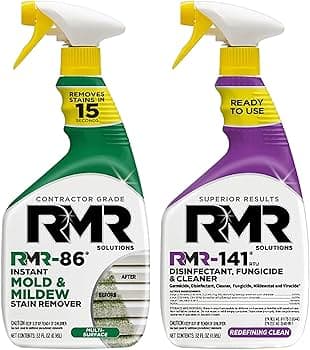
RMR-86 or RMR-141 Instant Mold and Mildew Stain Remover (Best for No-Scrub Power)
Frequently crowned the best overall mold remover in broader home tests (e.g., Bob Vila, The Spruce), RMR products excel at instant stain removal on showers, grout, and even outdoor surfaces. The formula works quickly—often in minutes—with little to no scrubbing required, making it a favorite for heavy, embedded stains. It's bleach-based but enhanced with boosters for faster action.Pros: Dramatically reduces effort; highly effective on tough black mold.
Cons: Strong odor and requires good ventilation; pricier than basic options (around $20-30 for larger bottles).
Great for Seattle homes where mold can build up fast due to constant humidity.CLR Mold & Mildew Stain Remover (Top Bleach-Free/Eco-Friendly Choice)
This EPA Safer Choice-certified option shines in Good Housekeeping awards and multi-surface tests. It's excellent for removing stains from showers, painted walls, fiberglass, and grout without bleach's harshness or fumes. Testers praise its foaming action that clings to vertical surfaces and versatility for ongoing bathroom maintenance.Pros: Gentler on skin and lungs; works well on lighter to moderate mold; safe for more surfaces.
Cons: May need longer dwell time or light scrubbing on severe cases.
Ideal if you have bleach sensitivity or prefer a milder scent.Wet & Forget Weekly Shower Cleaner or Concrobium Mold Control (Best for Prevention and Low-Effort Maintenance)
These focus on long-term control rather than one-time heavy removal. Wet & Forget is a no-scrub spray applied weekly after showers—it gradually eliminates and prevents mildew over time. Concrobium kills mold without bleach or harsh chemicals and leaves a protective barrier.Pros: Minimal ongoing effort; safer for regular family use; great for humid Pacific Northwest bathrooms.
Cons: Better as a maintainer than for initial deep cleans of thick mold.Natural and DIY Alternatives (Budget-Friendly or Sensitive Options)
For lighter issues or eco-conscious users:- 3% Hydrogen Peroxide: Spray directly, let sit 10-15 minutes, scrub, and rinse—many users report it kills mold effectively without fumes.
- White Vinegar (undiluted or with baking soda paste for grout): Acidic enough to kill many mold types and cheap for prevention.
These won't match commercial power on stubborn black mold but are non-toxic and readily available. In severe cases, combine with commercial products.
Other mentions in recent reviews include Lysol Mold & Mildew Remover (strong bleach option) and newer gels like NuroClean or Skylarlife for clinging to vertical caulk.
Essential Prevention Tips for Seattle Homes
Mold thrives above 60% humidity, which is common here year-round. Products help, but fixing moisture is key:
- Install or use a high-quality bathroom exhaust fan—run it during and for 20-30 minutes after showers (consider a timer switch).
- Squeegee shower walls and doors after every use to remove standing water.
- Keep shower curtains/doors open post-shower for airflow; wipe down sills and fixtures.
- Use a dehumidifier in the bathroom if ventilation is poor.
- Fix any leaks promptly and improve overall home airflow—open windows when possible, even briefly.
- Reapply a preventive spray (like Wet & Forget) weekly.
- Maintain lower indoor humidity (ideally 30-50%) with fans or open doors.
With a combo approach—like Clorox Tilex for removal and consistent habits for prevention—most Seattle homeowners see dramatic improvements quickly, often within one or two treatments. Stubborn grout issues may need reapplication or professional help if mold is deeply embedded.
https://gleamurcasa.com/blog/cleaning-tip-how-effectively-clean-your-glassware-cmbmw04ye002u13caluacshgu/